





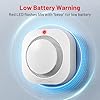


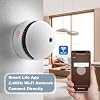


A smoke detector is a device that senses smoke and raises an alarm to warn people of a fire. Most smoke detectors work by using a photodiode to detect visible or invisible particles of combustion.
Contents
How do smoke detectors work?
Smoke detectors are devices that are used to sense the presence of smoke and to provide an early warning of a fire. There are two types of smoke detectors: ionization smoke detectors and photoelectric smoke detectors.
Ionization smoke detectors work by sending an electric current through a small chamber that contains a radioactive source. This current ionizes the air in the chamber, which causes the air to conduct electricity. When smoke enters the chamber, it disrupts the flow of current, which triggers the alarm.
Photoelectric smoke detectors work by shining a light beam from a light source, such as a light-emitting diode (LED), into a sensing chamber. The light beam is scattered by particles of smoke that enter the chamber. This scattered light is detected by a photosensor, which triggers the alarm.
The different types of smoke detectors
There are four main types of smoke detectors: ionization, photoelectric, optical beam, and air-sampling. Each type has its own unique set of benefits and drawbacks, so it’s important to choose the right type of detector for your specific needs.
Ionization detectors are the most common type of smoke detector. They work by ionizing the air in the room and then measuring the current that flows between two electrodes. When smoke particles enter the ionization chamber, they disrupt the flow of current and trigger the alarm.
Photoelectric detectors are less common than ionization detectors, but they are growing in popularity. They work by shining a light beam into the room and measuring how the light is scattered. When smoke particles enter the detector, they scatter the light and trigger the alarm.
Optical beam detectors are similar to photoelectric detectors, but they use a light beam that is reflected off of a mirror. When smoke particles enter the detector, they disrupt the light beam and trigger the alarm.
Air-sampling detectors are the most expensive type of smoke detector, but they are also the most sensitive. They work by drawing air samples into the detector and then measuring the amount of smoke particles in the air. When the concentration of smoke particles reaches a certain level, the alarm is triggered.
Why you should have a smoke detector in your home?
Smoke detectors play a vital role in protecting your home and family from fire. By alerting you to the presence of smoke, they give you the opportunity to get to safety and call the fire department. Smoke detectors can be powered by batteries or by your home’s electrical system, and should be installed on every level of your home.
How to properly maintain your smoke detector?
While a smoke detector is an important part of any home fire safety plan, it is only effective if it is properly maintained. Here are some tips on how to keep your smoke detector in top working condition:
- Test your smoke detector monthly. Simply push the test button to ensure that the alarm is working.
- Vacuum or dust your smoke detector regularly to prevent false alarms.
- Replace the batteries in your smoke detector at least once a year.
- If your smoke detector is more than 10 years old, it should be replaced.
By following these simple tips, you can help ensure that your smoke detector is always ready to protect you and your family in the event of a fire.
What to do if your smoke detector goes off?
If your smoke detector goes off, you should immediately leave the building. Do not try to find the source of the fire or extinguish the fire yourself. Once you are outside, call 911 and wait for the fire department to arrive.
How to install a smoke detector?
Most homes have smoke detectors, but many don’t have them properly installed. Here’s how to do it:
- Choose the right location. Smoke rises, so the best place for a smoke detector is on the ceiling. Avoid placing it near a window, door, or air vent where drafts could interfere with its operation.
- Mark the location. Use a pencil to mark the spot on the ceiling where the smoke detector will go.
- Drill a pilot hole. Use a drill to make a small hole at the marked location.
- Screw in the mounting bracket. Use a screwdriver to screw the mounting bracket into the pilot hole.
- Attach the smoke detector. Snap the smoke detector into the mounting bracket.
- Test the smoke detector. Push the test button to make sure the smoke detector is working.
The history of smoke detectors
Smoke detectors are devices that sense smoke and warn people of fires. Smoke detectors have been around since the early 19th century, but it was not until the mid-20th century that they began to be used in homes and businesses.
Early smoke detectors were not very reliable and often failed to work when needed. In the mid-20th century, new and improved smoke detectors were developed. These new detectors were more reliable and easier to use.
Today, smoke detectors are an important part of home and business fire safety. They are required by law in many places, and they can save lives.
Summary
Most people take the beeping of a smoke detector for granted, but have you ever wondered how these little devices work? Smoke detectors have a small, wire-encased chamber that contains a piece of metal that acts as a heat sensor. When the temperature in the room rises, the metal expands and sets off an alarm.